
Engineers and site managers frequently evaluate various system architectures when planning renewable energy infrastructure. The technical choice between modern DC-coupled solutions and traditional AC-coupled setups is a critical decision that influences long-term performance. By comparing these designs, professionals can determine which configuration aligns with their specific operational goals, such as maximizing energy efficiency or simplifying site installation.
Technical Performance and Conversion Efficiency
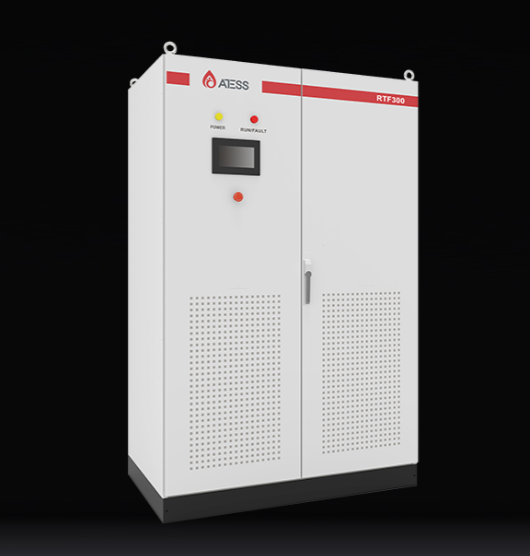
Traditional AC-coupled systems operate by converting solar DC electricity into AC, which is then converted back to DC for battery storage, potentially resulting in higher conversion losses. In contrast, modern DC-coupled architectures allow solar power to flow directly into the battery system. Atess provides specialized hardware that facilitates this direct integration, effectively reducing unnecessary conversion stages. This streamlined approach minimizes energy waste, ensuring that a greater portion of the generated solar power is captured and utilized on-site. For facilities prioritizing efficiency, this reduction in conversion steps represents a meaningful improvement in overall system productivity.
Deployment and Scalability Considerations
When planning a large scale solar battery storage project, the structural layout is a primary consideration for site engineers. DC-coupled designs often utilize a centralized inverter, which simplifies the physical installation by requiring fewer components. Atess offers solutions that support this integrated approach, allowing for efficient use of space and simplified maintenance. While traditional AC-coupled systems are frequently favored for their modularity in retrofit scenarios, new builds often benefit from the simplified wiring and reduced balance-of-system costs associated with direct DC-to-DC connectivity.
Assessing Project Requirements
The selection between these technologies typically depends on whether the installation is a new build or a retrofit. A large scale solar battery storage solution using DC coupling is highly effective for new projects where the entire system can be optimized as a single, unified asset. On the other hand, the flexibility of AC-coupled designs allows them to be integrated into existing generation assets with ease. Both approaches support large scale solar battery storage applications, such as peak shaving and grid support, ensuring that industrial and commercial sites maintain reliable power access regardless of their specific infrastructure layout.